
How many restrooms does a race in Colorado Springs need?
Start with the field size, then add for spectators and volunteers. Colorado Springs Porta Pros builds most race plans around one standard porta potty rental per 100 to 150 runners at the corral, since that's where the bottleneck happens before the gun goes off. Courses that loop back through aid stations need a couple more units spaced along the route, not just clustered at start and finish. OSHA 1926.51(c) sets construction-site ratios (1 toilet for 20 workers or fewer, scaling up from there), and while a road race isn't a job site, race directors use the same logic: crowd size drives unit count, not the other way around.
Every accessible race plan needs at least one ADA unit under ADA Standards section 213.2, which requires 5 percent of a cluster to be accessible, never fewer than one. That unit needs a 60 inch turning circle per ADA Standards 304.3.1 and a clear path at least 36 inches wide under ADA Standards 403.5.1, so don't tuck it behind a tent or a fence line. If your race draws family spectators, a couple of deluxe flushable units near the finish line go a long way, and a restroom trailer rental works well for VIP or sponsor areas. Races through Cimarron Hills, 4.5 miles east of downtown, or out toward Monument, 17.1 miles north, still fall under the same delivery radius we run daily.
Where should we place restrooms along the course?
Placement follows the crowd, not the map: put units at the start corral, every water station past mile 3, and double up at the finish where runners and spectators both bottleneck. Our porta potty placement guide covers ground stability and access, both of which matter more on a race course than at a fixed job site. ADA Standards 302.1 requires floor surfaces that stay stable and slip resistant, which on grass or gravel means we set units on leveling boards, not just drop them where the truck stops.
Delivery trucks need real clearance, especially at start lines shared with vendor tents and barricades. A roll-off truck needs about 60 feet of straight clearance behind it to place a unit safely, and race organizers often forget that when they're also setting up temporary fencing and crowd control barriers in the same footprint. If your race uses a finish-line arch with lighting or timing equipment, you're likely also renting a temporary power pole, and that's where power planning gets tricky fast.
Knowing how to brace a temporary power pole for race lighting or timing gear isn't optional in wind-prone stretches of Colorado Springs. The pole needs a stable base, guy wires anchored at three points minimum, and enough clearance that a gust off the Front Range doesn't walk it sideways into a barricade line. Run the wire path away from foot traffic and away from any handwashing station rental or restroom cluster, since spilled water and loose cabling don't mix. If the course crosses a road the city maintains, check placement with the city before you stake anything into a right of way; that's not verified block by block, so confirm it directly with Colorado Springs.
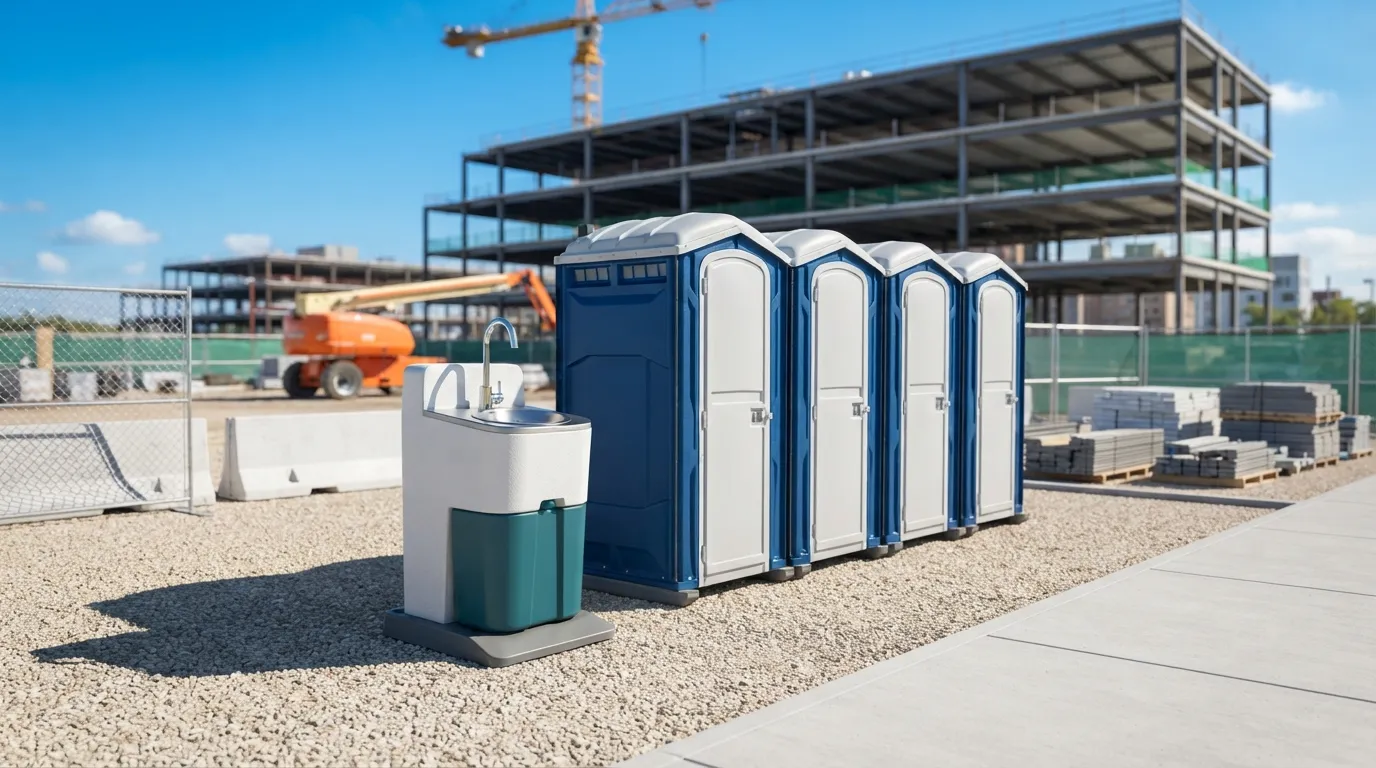
Do we need handwashing stations for a race?
Yes, and most timing tables and aid stations count as food-adjacent enough to warrant one. A handwashing station rental at each aid station keeps volunteers handling gels and cups from cross-contaminating the next batch, and 29 CFR 1910.141(d)(2) requires soap and towels or a hand-drying device wherever washing facilities are provided, not just sanitizer. Sanitizer alone doesn't satisfy that standard. For races near Manitou Springs, 10.2 miles west of downtown, or Fountain, 18.2 miles south, we stage handwashing units the same way we stage restrooms: near the crowd, not near the truck.
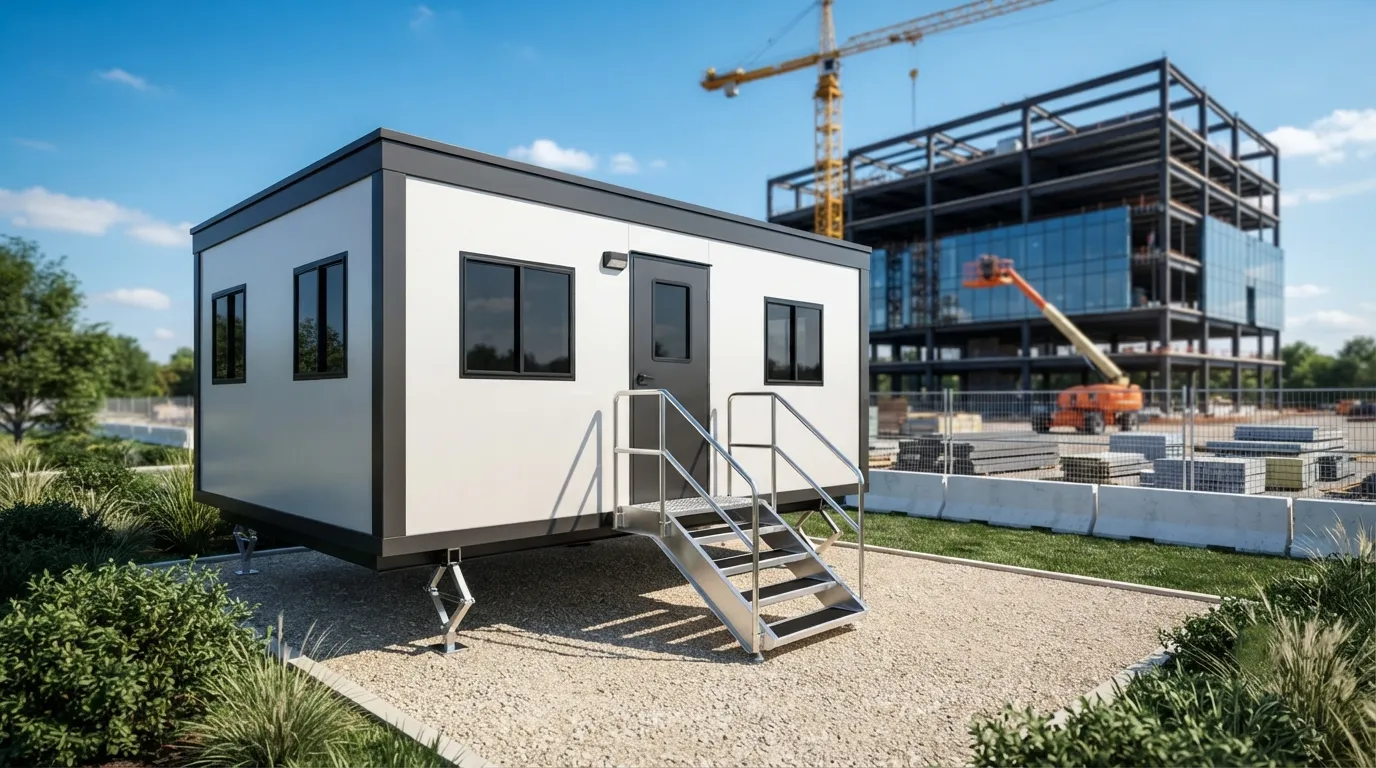
Race Restroom Package Pricing
| unit | duration | typical cost |
|---|---|---|
| standard | event | 400 |
| ada | day | 230 |
| deluxe | day | 300 |
| trailer | event | 3500 |
Most single-day races book the event rate on standard units rather than a daily or weekly rate, since event pricing accounts for the delivery, quick turnaround and same-day pickup a race demands. Check our porta potty rental cost page for the full breakdown by duration, or the porta potty rental per day page if your event runs a multi-day festival format instead of a single race morning.
How far in advance should we book race restrooms?
Book 4 to 6 weeks out for anything over 500 runners, since ADA units and trailers move fast during race season. Smaller local runs can sometimes book inside two weeks, but confirm with request a quote early rather than scrambling.
Can we get restrooms for a marathon that crosses multiple neighborhoods?
Yes. Colorado Springs Porta Pros services routes crossing into Cimarron Hills and other nearby areas within the same delivery run. Check service areas for coverage details specific to your course.
What happens if it rains on race day?
Units get set on leveling boards ahead of time per ADA Standards 302.1, so most stay stable. Our emergency porta potty rental line handles last-minute swaps if a low spot floods.
Do we need a permit for restrooms on city streets?
That depends on the exact route and right-of-way, and it isn't settled by a single citywide rule. Confirm placement with the city directly; see our porta potty permit requirements page for what to ask.
How many ADA units does a 1,000-runner race need?
At least one per cluster under ADA Standards 213.2, and most races that size run 2 to 3 spread across start, finish and a mid-course aid station. See ADA restroom requirements for full spacing guidance.
Next step
Get a delivery date
Tell us the address, the dates and the headcount. We size the order and confirm the route.